


Fixing the System Behind the Symptom: A Case Study in Structural Change
In 2023, a team of Canadian physicians published a study in the Canadian Journal of Surgery asking a direct question: does it pay less to operate on a woman than on a man?
Chaikof and colleagues built a list of matched surgeries — procedures that are roughly equivalent in complexity, time, and training required, but performed on female versus male anatomy. Then they compared what provincial health plans actually paid for each one.
The answer was yes. Across most of the provinces studied, surgeons were paid meaningfully less for procedures done on women — 26.7% less, on average. Saskatchewan showed the largest gap in the country, at 67.3%. British Columbia was close behind at 61.2%.
L'utilisation de l'IA en recrutement automatise la discrimination : et c'est vous qui en répondez devant la loi
Dans ce podcast on explore les opportunités et les risques juridiques liés à l'intégration de l'intelligence artificielle dans les processus d'embauche, avec un accent particulier sur le contexte des PME canadiennes. L'épisode met en lumière comment, malgré les gains d'efficacité, ces outils peuvent involontairement perpétuer des biais historiques et créer une exclusion algorithmique.

Competency mapping for SMEs: Defining what good looks like.
SMEs must clearly articulate what good looks like to new hires and existing employees, because not everyone will have the same definition. Competency mapping is a critical exercise for businesses to tease roles out beyond skill, to communicate clear, observable behaviour.
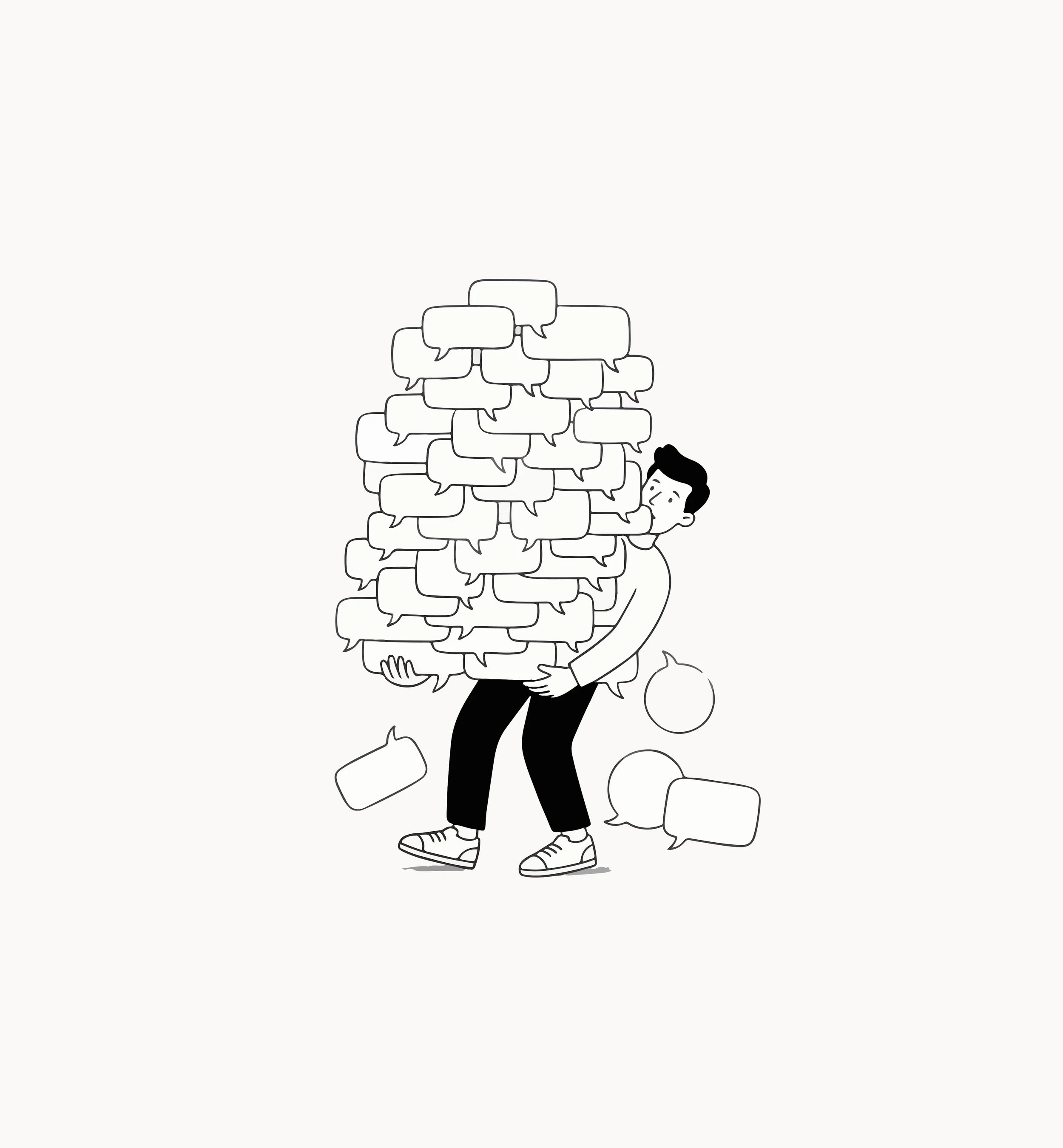
The gap in neuroinclusion isn't awareness. It's infrastructure.
According to the 2026 City & Guilds Foundation Neurodiversity Index, the share of managers receiving neurodiversity-aware training rose from 35% to 39% between 2025 and 2026.
Over the same period, employee-rated manager capability dropped from 55% to 52%. More organisations are investing in training, and fewer employees feel that their managers are actually equipped to support them.

It's not you, it's the system
If you've ever left a meeting exhausted in a way you couldn't quite explain — this one is for you.
I wrote about what neurodivergent professionals are quietly carrying in environments that were never designed with their brains in mind. And what it means that those environments are getting harder to navigate, not easier.
There is hope for a better way of working!

The pitch from every AI tool on the market is the same: do more in less time. So why is everyone working more?
UC Berkeley watched a 200-person company adopt AI voluntarily. People weren't doing less. They were doing more — in more time.
AI didn't reduce cognitive load. It redistributed it. And quietly raised the ceiling on what "enough" looks like.
Friction-free tools need friction-full boundaries. If your team adopted AI without redesigning how work is paced and bounded, you haven't optimised your operations. You've just planted faster.

Join us for our 2-part workshop series to learn to find the time, and get things done.
Creating a culture that is friendly for neurodivergent employees just might be your company’s secret super power.
image credit: Photo by AbsolutVision on Unsplash
Cognitive Diversity: Your Secret Weapon for Innovation and Revenue Growth
Creating a culture that is friendly for neurodivergent employees just might be your company’s secret super power.
image credit: Photo by AbsolutVision on Unsplash

Executive Function and Neurodivergence: The Orchestra Analogy
Neurodivergent individuals already process the world differently at the nervous system level. When executive function also works differently, everyday tasks require significantly more mental energy.

Your Nervous System and Neurodivergence: Understanding the Connection
All you need to know about your Nervous System
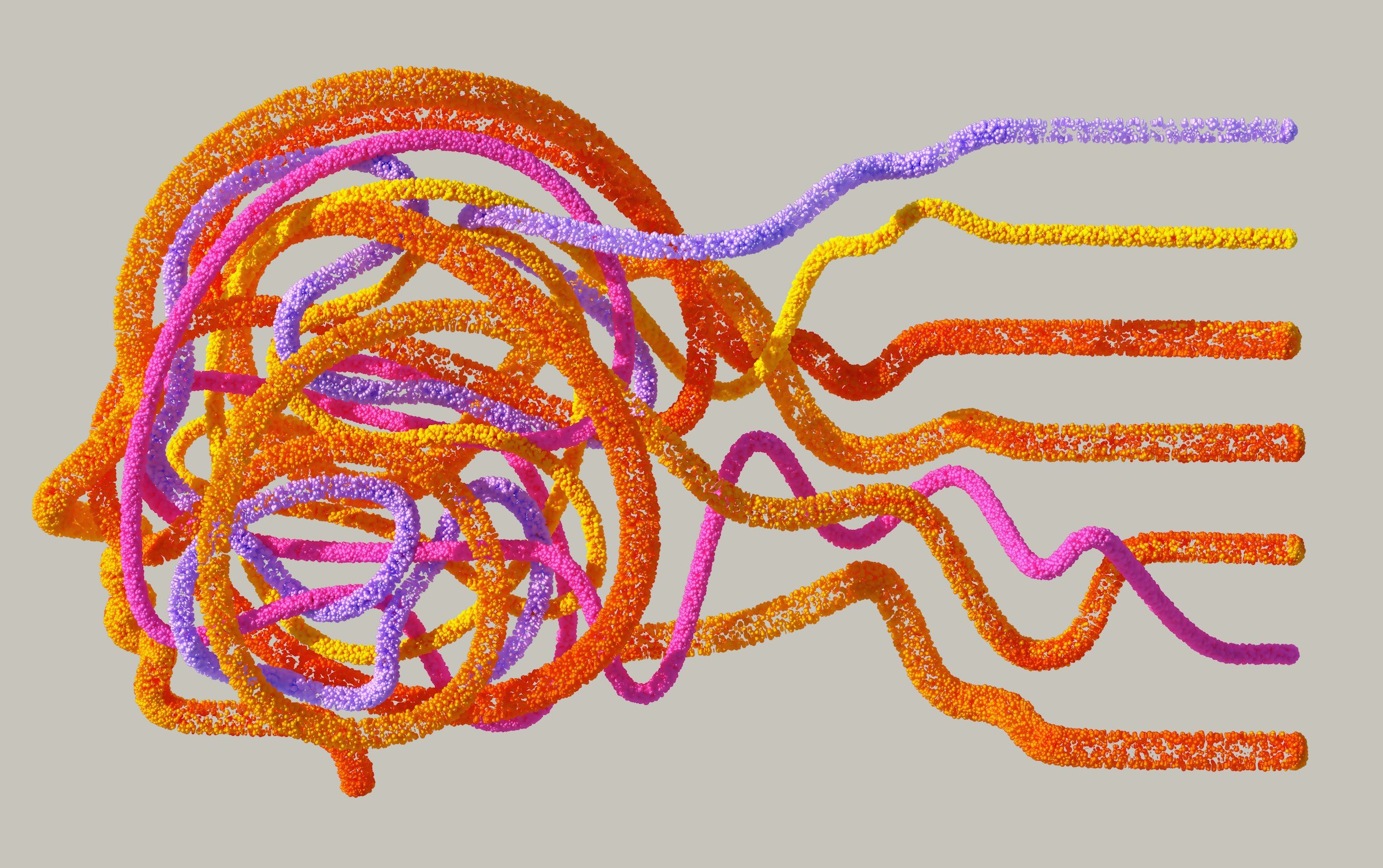
Understanding Neurodivergence: A Different Way of Thinking
Neurodivergent nervous systems process sensory information differently.
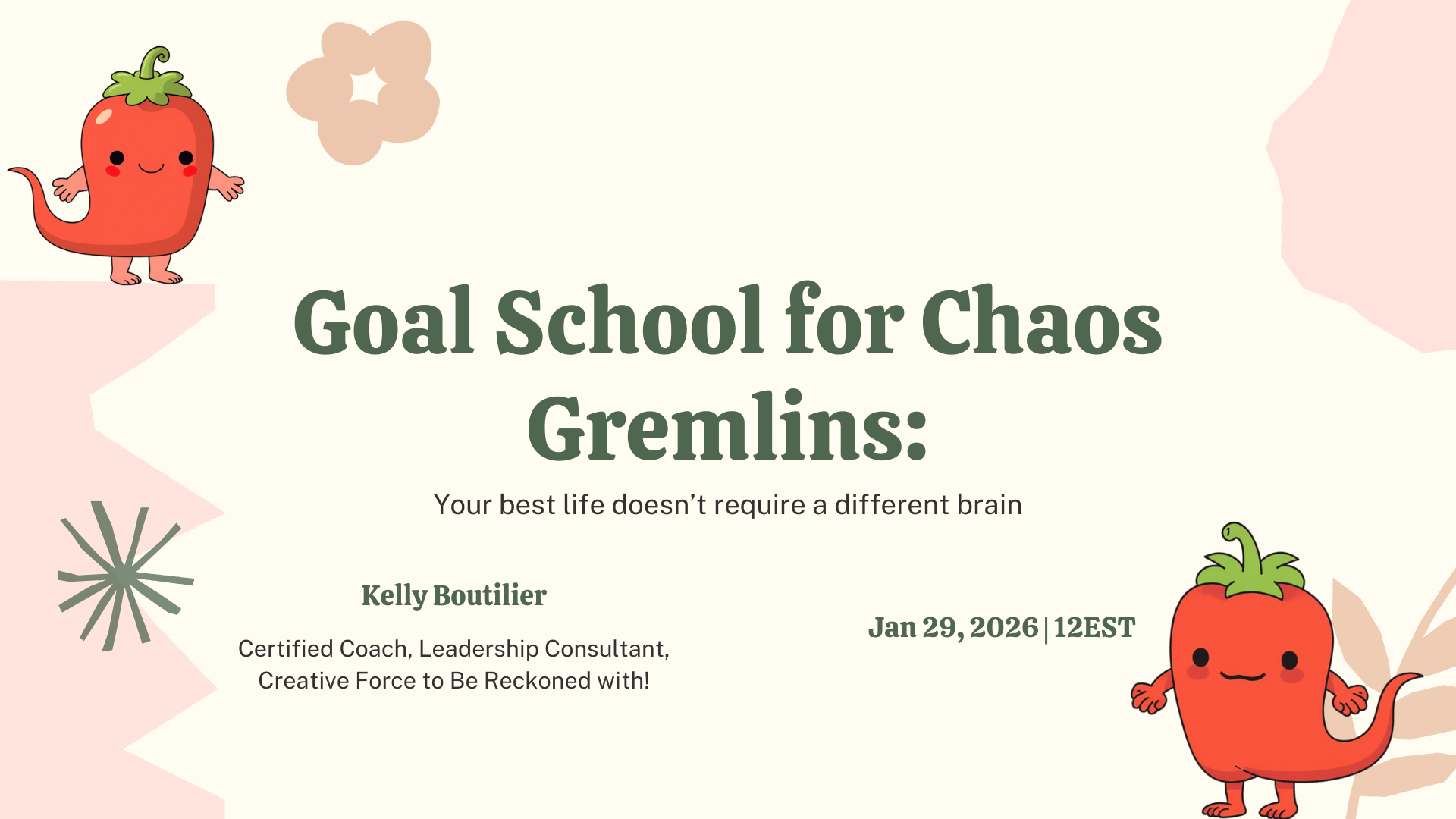
Goal School for Chaos Gremlins
A time management workshop in partnership with Eat Your Peas, specifically for neurodivergent professionals.